

My name is Matha Otton, and my professional journey into the study of gambling behavior began long before I formally entered academia. I was driven by a deep curiosity about human decision-making—why people take risks, how they respond to uncertainty, and what keeps them engaged even when outcomes are negative.
University Education (2006–2010)
I pursued my undergraduate studies in psychology and behavioral economics between 2006 and 2010. During this time, I developed a strong interest in:
- Cognitive biases and heuristics
- Probability misinterpretation
- Behavioral patterns under uncertainty
These subjects naturally directed me toward gambling studies, where theory and real-world behavior intersect.
Master’s Specialization (2010–2012)
Between 2010 and 2012, I completed my Master’s degree with a focus on risk-taking behavior in structured environments. My early academic research included:
- The illusion of control in slot machine players
- Emotional reactions to near-miss outcomes
- The psychological impact of reward anticipation
This period shaped my foundational understanding of gambling as a behavioral system rather than a purely economic activity.
First Research Position
In 2012, I joined a behavioral research lab specializing in addictive behaviors. Starting as a junior researcher, I gradually advanced to a lead analyst role. This period marked my full immersion into gambling-related studies.
Key Research Projects
Between 2013 and 2015, I participated in and led several significant studies:
- 2013 — “Near-Miss Effect and Player Retention”
Focused on how almost-winning outcomes increase player engagement. - 2014 — “Digital Gambling Environments and User Engagement”
Examined the influence of interface design on user behavior. - 2015 — “Cognitive Biases in Sports Betting”
Analyzed how bettors misunderstand odds and probability.
Research Methods and Approach
During these years, I expanded my methodological toolkit, working with:
- Experimental lab setups
- Behavioral tracking data
- Survey-based psychological analysis
This combination allowed me to bridge theory with observable player behavior.
Conference Presentations and Public Speaking
I actively shared my findings at international events, including:
- 2014 — Behavioral Science Conference, Berlin
Topic: Emotional Triggers in Slot Machine Design - 2015 — International Gambling Studies Symposium, London
Topic: Decision-Making Under Risk in Online Betting - 2016 — Psychology of Addiction Forum, Toronto
Topic: Patterns of Compulsive Gambling Behavior
These presentations helped me refine my arguments and engage with a broader academic and professional audience.
Shifting Focus (2016)
By the end of 2016, I began transitioning toward independent research. I wanted to move beyond structured lab environments and explore gambling as part of a broader digital ecosystem.
Development of New Research Frameworks
I started building my own analytical approach, combining:
- Behavioral psychology
- Data analytics
- User experience (UX) research
This interdisciplinary model allowed me to better understand how modern gambling platforms influence behavior.
Expanding Research Questions
My focus evolved to include:
- The role of technology in shaping gambling habits
- Ethical implications of game design
- Long-term behavioral impact of online betting systems
This shift marked the beginning of a more critical and independent phase in my career trajectory.
Establishing Independent Projects
From 2017 onward, I fully transitioned into independent research, allowing me greater flexibility in choosing topics and methodologies. This period was defined by deeper exploration into the structural and technological aspects of gambling systems.
I initiated several long-term research projects focused on:
- Behavioral patterns in online gambling platforms
- The impact of mobile accessibility on betting frequency
- Player retention mechanisms in digital casinos
These projects were often conducted in collaboration with independent analysts and academic institutions.
Major Studies and Publications
Between 2017 and 2020, I led and contributed to a number of influential studies:
- 2017 — “Mobile Gambling and Instant Accessibility”
A study analyzing how smartphones increased impulsive betting behavior. - 2018 — “Gamification in Online Casinos”
Research on how game-like elements (levels, rewards, achievements) affect user engagement. - 2019 — “Algorithmic Personalization in Gambling Platforms”
Focused on how recommendation systems influence player decisions and spending. - 2020 — “Long-Term Behavioral Patterns in Digital Betting”
A longitudinal study tracking user habits over extended periods.
These works expanded my reputation as a specialist in the intersection of technology and gambling psychology.
International Conferences and Speaking Engagements
During this phase, I became a regular speaker at global events, presenting both research findings and ethical considerations:
- 2017 — Digital Gaming & Behavior Summit, Amsterdam
Topic: The Rise of Mobile Gambling - 2018 — Global iGaming Conference, Malta
Topic: Gamification and Player Retention - 2019 — Behavioral Analytics Forum, New York
Topic: Data-Driven Gambling Systems - 2020 — Virtual Gambling Research Conference
Topic: Long-Term Effects of Online Betting
These speaking engagements allowed me to engage with regulators, developers, and fellow researchers.
Collaboration With Industry and Academia
A key part of this period was collaboration. I worked with:
- University research departments
- Independent behavioral analysts
- UX designers in gaming companies
This cross-disciplinary approach helped bridge the gap between academic theory and industry practice, offering a more comprehensive understanding of gambling ecosystems.
Shift Toward Responsible Gambling
Around 2019, my research began to take a more ethical direction. I became increasingly concerned with how gambling systems are designed to maximize engagement—often at the expense of user well-being.
I began focusing on:
- Responsible gambling frameworks
- Early detection of problematic behavior
- Transparency in algorithmic systems
Key Ethical Research Contributions
Some of my notable work in this area includes:
- 2019 — “Ethical Boundaries in Gambling UX Design”
- 2020 — “Identifying At-Risk Players Through Behavioral Data”
These studies aimed to highlight the need for balance between business objectives and player protection.
Advisory Roles and Consultations
As my expertise grew, I was invited to act as an advisor on several projects related to regulation and safer gambling practices. My involvement included:
- Consulting on responsible gaming features
- Reviewing platform design for ethical compliance
- Participating in discussions on policy development
This phase of my career marked a clear transition from pure research to applied impact.
Advancing Research Techniques
Between 2017 and 2020, I significantly expanded my methodological approach. I began integrating:
- Large-scale behavioral datasets
- Machine learning models for pattern detection
- Real-time user interaction tracking
These tools allowed me to move beyond small-scale experiments and analyze gambling behavior at scale.
Key Analytical Focus Areas
My research during this time emphasized:
- Predictive modeling of player behavior
- Detection of compulsive patterns
- Impact measurement of platform design changes
Building a Research Identity
This period ultimately defined my identity as a researcher. I was no longer just studying gambling behavior—I was analyzing entire systems, questioning their design, and advocating for more responsible practices within the industry.
Advanced Research, Policy Influence, and Thought Leadership (2021–Present)
Deepening Focus on Regulation and Public Policy
From 2021 onward, my work increasingly intersected with public policy and regulatory frameworks. I shifted from observing and analyzing gambling systems to actively contributing to discussions that shape how these systems are governed.
My research began addressing:
- The effectiveness of national responsible gambling policies
- Cross-border challenges in online betting regulation
- The role of licensing bodies in enforcing ethical standards
I collaborated with regulatory consultants and participated in policy roundtables, providing behavioral insights to support more informed decision-making.
Key Studies and Research Contributions
During this period, I led several advanced studies that combined behavioral science with regulatory analysis:
- 2021 — “Regulatory Gaps in Online Gambling Ecosystems”
An evaluation of inconsistencies between jurisdictions and their impact on player safety. - 2022 — “Behavioral Markers of High-Risk Gambling”
A data-driven study identifying early indicators of problematic gambling activity. - 2023 — “Transparency in Algorithmic Betting Systems”
Focused on how opaque systems influence trust and decision-making. - 2024 — “Effectiveness of Responsible Gambling Tools”
Analysis of limit-setting, self-exclusion, and behavioral nudges. - 2025 — “AI and Predictive Modeling in Gambling Behavior”
Exploration of how artificial intelligence can both help and harm user protection efforts.
These works further strengthened my position as a researcher operating at the intersection of behavior, technology, and regulation.
Speaking Engagements and Global Forums
I continued to present my findings internationally, with a growing emphasis on ethics and systemic responsibility:
- 2021 — European Gambling Policy Forum, Brussels
Topic: Harmonizing Regulatory Standards - 2022 — International Conference on Behavioral Addictions, Lisbon
Topic: Identifying Risk Through Data - 2023 — Global Responsible Gaming Summit, Las Vegas
Topic: Transparency and Trust in Gambling Systems - 2024 — Digital Ethics & AI Conference, Copenhagen
Topic: AI in Behavioral Prediction - 2025 — World Gaming Regulation Congress, Singapore
Topic: Future of Responsible Gambling Policies
These platforms allowed me to influence not just academic audiences, but also regulators, operators, and technology developers.
Academic and Industry Publications
Alongside my research, I focused on publishing and making my findings accessible to a wider audience. My work has appeared in:
- Peer-reviewed journals on behavioral science and addiction
- Industry reports on gambling technology and UX
- Collaborative white papers on responsible gaming
Key themes across my publications include:
- Ethical system design
- Behavioral risk detection
- Data transparency in digital platforms
Educational Initiatives
I also became involved in teaching and mentorship. From 2022 onward, I contributed to:
- Guest lectures at universities
- Workshops for industry professionals
- Training sessions on responsible gambling practices
My goal has been to bridge the gap between academic knowledge and practical application, ensuring that insights are not only understood but implemented.
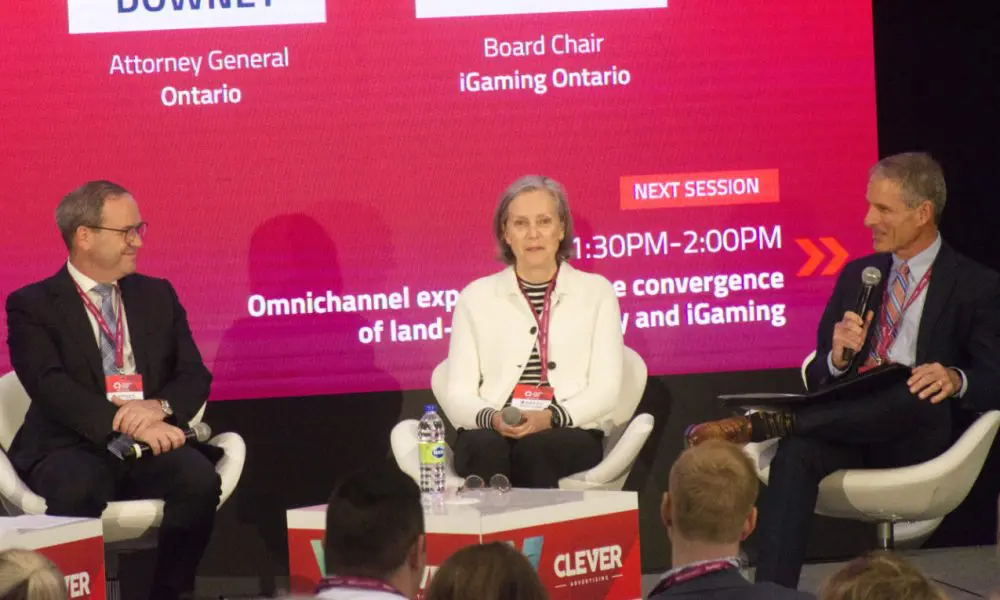
Mentorship and Research Development
I have supported emerging researchers by:
- Supervising independent studies
- Providing methodological guidance
- Collaborating on interdisciplinary projects
This aspect of my work has been especially meaningful, as it helps sustain and evolve the field.
Current Work and Ongoing Research Directions
Present-Day Focus (2024–Present)
Today, my research continues to evolve alongside the gambling industry. I am particularly focused on:
- The integration of artificial intelligence in gambling platforms
- Real-time intervention systems for at-risk players
- The psychological effects of immersive and gamified environments
Active Research Projects
My current projects include:
- Development of ethical AI frameworks for gambling platforms
- Analysis of micro-behavioral patterns in live betting
- Evaluation of user protection tools in real-world conditions
Long-Term Research Vision
Looking ahead, I aim to contribute to a more balanced and transparent gambling ecosystem by:
- Promoting evidence-based regulation
- Encouraging ethical design standards
- Supporting collaboration between researchers, industry, and policymakers
My work remains rooted in a simple but complex question: how can we better understand human behavior in environments designed to challenge it—and how can we use that understanding responsibly?